


President Trump announced stiff new tariffs in March, hitting back at China for what he calls “the unfair and harmful acquisition of US technology.” According to a 2017 report by the United States Trade Representative, Chinese theft of American intellectual property currently costs between $225 billion and $600 billion annually.
How extensive is intellectual property theft in China? Why does it happen? How can it be stopped? Paul Goldstein, a professor at the Stanford University Law School discusses the issues around intellectual property theft and trade.
What tools are available for the president to address intellectual property theft?
Section 301, which is the trade lever presently being deployed by the Trump administration, was amended in 1984 to authorize the president to impose trade sanctions against countries that failed adequately to protect intellectual property rights. However, trade sanctions are a very blunt policy instrument, satisfactory perhaps in the relatively unusual situation where a country’s legislation fails to protect subject matter or rights as required by a governing treaty, but far less satisfactory as a tool against individual depredations, which are usually better dealt with through criminal or civil law enforcement.
American IP owners have in recent years enjoyed increased success in enforcing their rights in Chinese courts. Also, the Economic Espionage Act, passed by Congress in 1996 in response to FBI and CIA reports of industrial espionage not only by China, but also by Cuba, France, Israel, and Russia, added federal criminal sanctions to the civil liability for trade secret theft already imposed by state law. In 2016, Congress added civil remedies to the criminal penalties.
Bartol Research’s Experience with China’s Request for Trade Secrets of the Mag-Probe
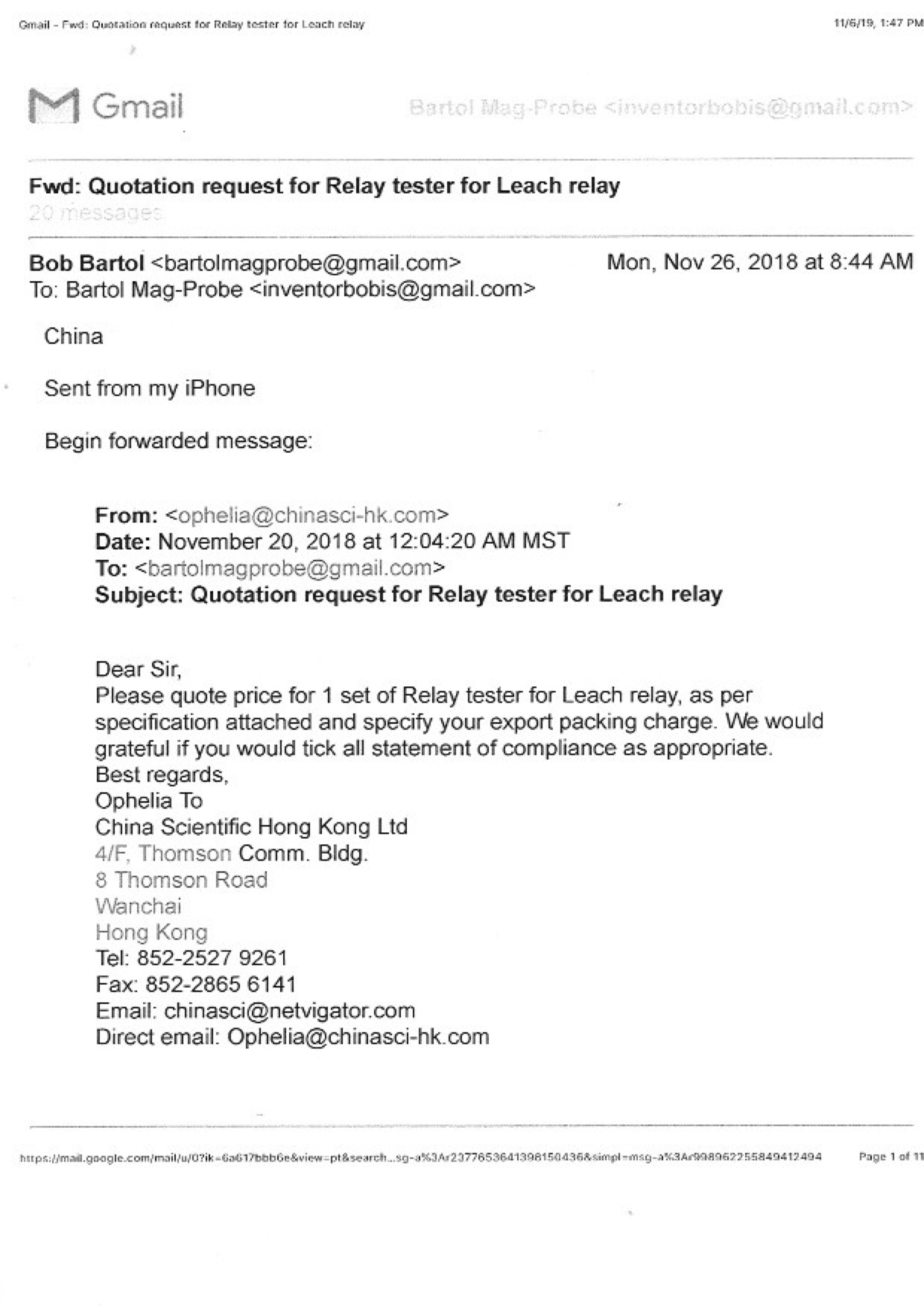
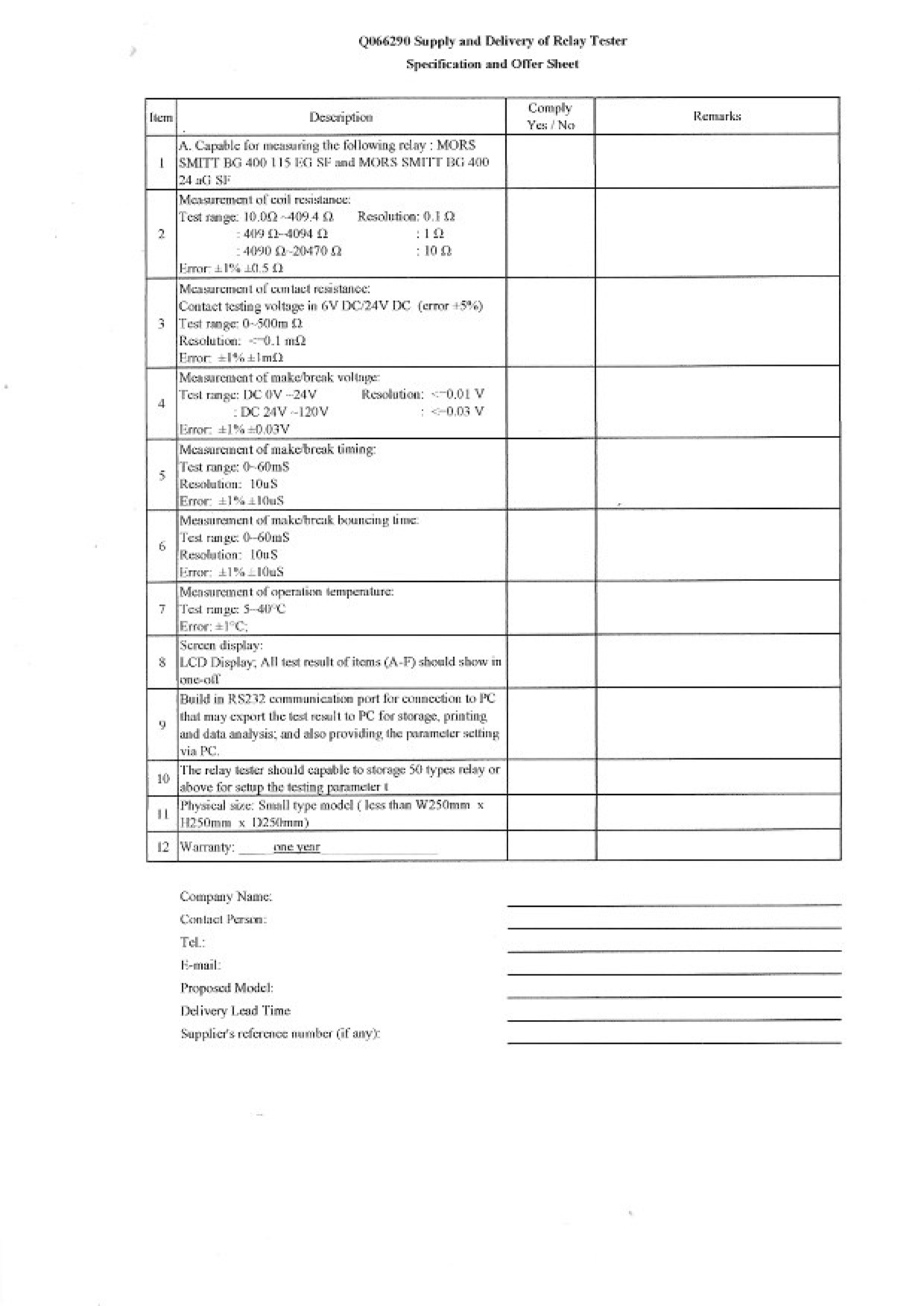
China’s IP theft of patents and trade secrets are discussed everyday on the news channels. Bob Bartol discovered how to increase the sensitivity of the Mag-Probe, not in the Patent. This motivation created a Highly Technical Trade secret. Trade secrets are much better than patents because its protection doesn’t run out. China has been trying to duplicate what Bob discovered but has not succeeded. Finally China sent Bartol Research an email asking to supply them with the details of the specifications that makes the Mag-Probe work. We said no. View the attached request from China to see the subtle ways they get unknowing employees to give out trade secrets of American Companies.
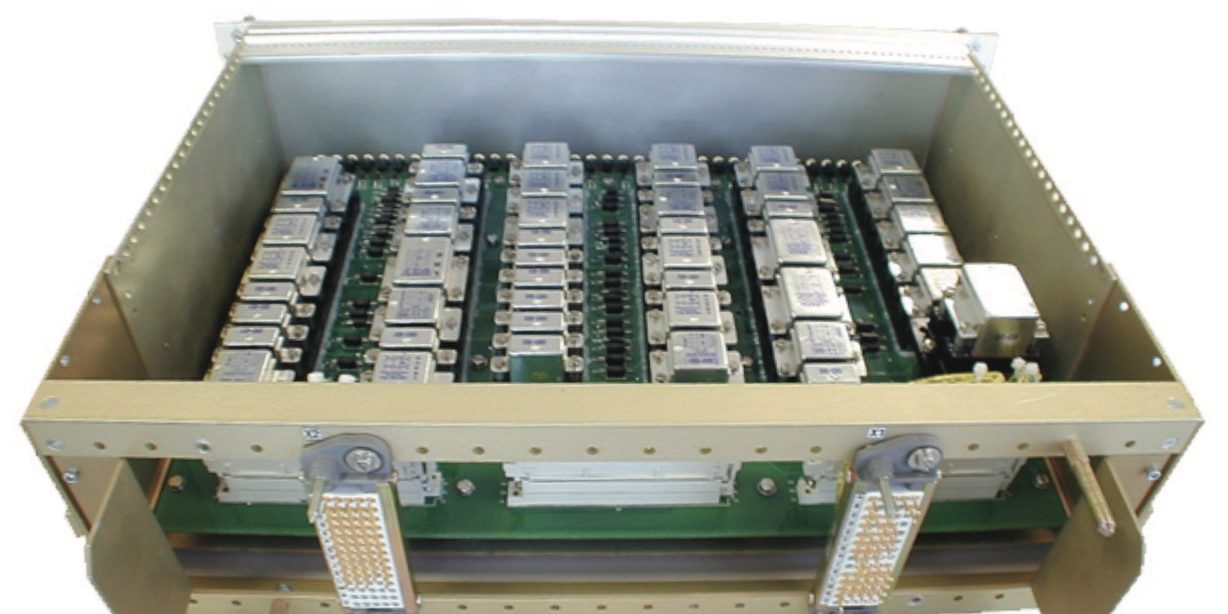
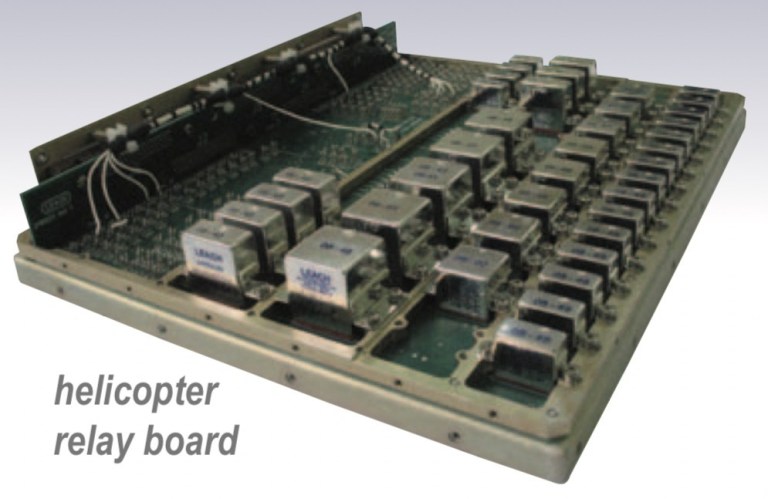 The Mag-Probe trade secret makes testing Leach relays easy, accurate and quick. Especially when conducting intermittent problems on solenoid valves and relays. The Mag-Probe is also able to detect a welded or open contact within the Leach relay.
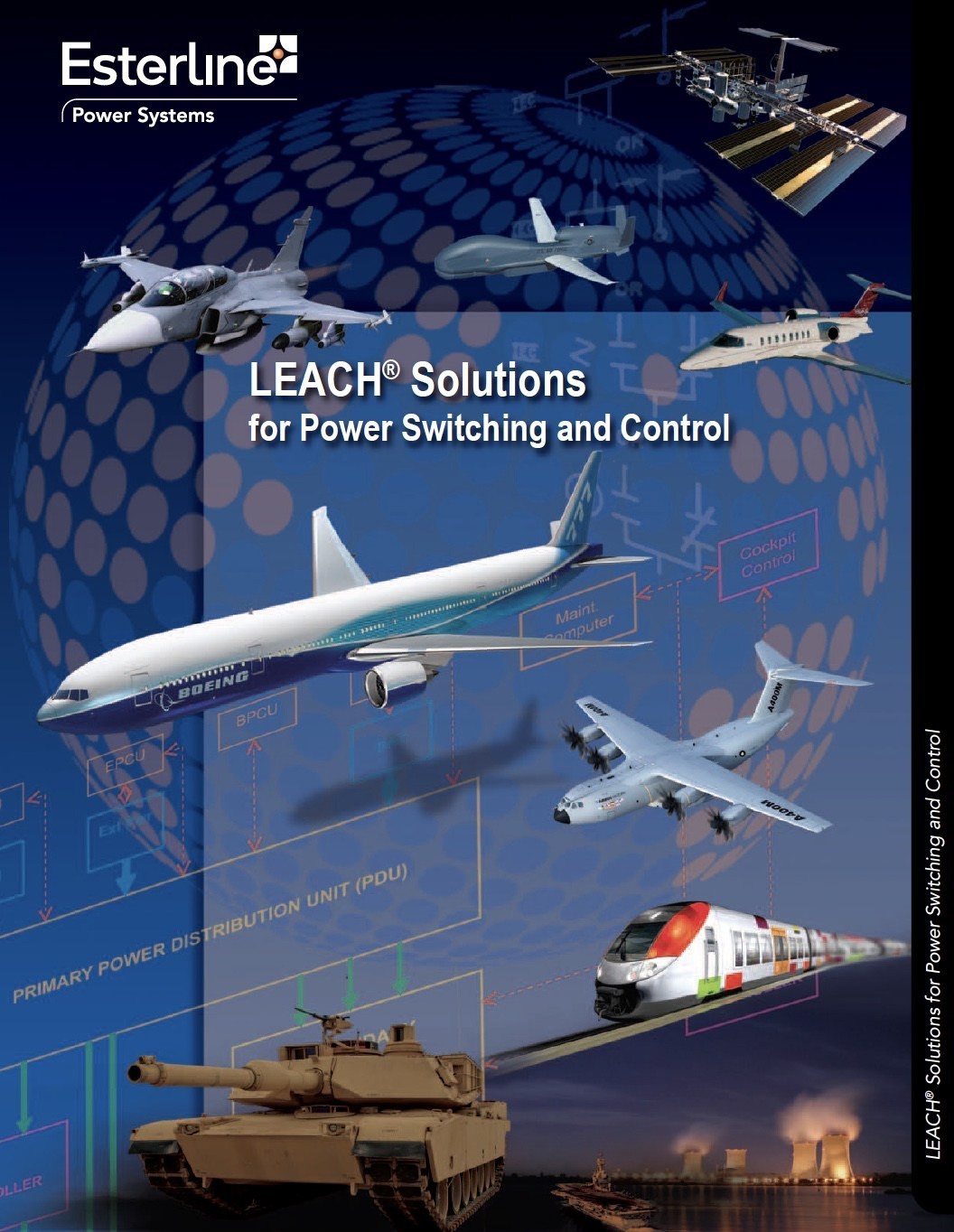
Leach relays are the gold standard throughout the aircraft and military industries. I’m frequently told I could become quite wealthy if I would sell my trade secrets to the Chinese. I would never do this because I support our country 100%. The commander and chief could dramatically increase combat readiness of our military with a stroke of a pen by authorizing the use of Mag-Probes for troubleshooting leach relays in the US Military and other devices used to increase military productivity. Nuclear Powered plants and Submarines use Leach relays as well. A major problem was solved by SpaceX by using Mag-Probes so protecting the value of small businesses trade secrets in a civilian and military enviornment is paramount.
All Boeing and Airbus aircraft use Leach relays and since they are hermetically sealed, they can be difficult to troubleshoot without a sensitive non-contact test instrument. A relay panel with 40 to 50 Leach relays can take hours to isolate one malfunctioning relay. It only takes a few seconds using a non-contact Bartol Mag-Probe.
A failing Leach relay can be located while in flight on aircraft by using the Mag-Probe HS Model. Since a problem can be identified prior to landing, delay time can be dramatically reduced along with increased protection and detection of intermittent problems on valves or relays while in flight on Air Force One. All Mag-Probe tests are non-contact and can be conducted using the applied voltages while equipment is operational (Safety Permitting).
For Questions on how the Mag-Probe can dramatically lower your downtime
Call Bob – Bartol Research (208) 866-7895